Full Check-Up
A complete health assessment in a single day: laboratory work, imaging, heart testing, and consultations with the specialists your age and history call for — finishing with a physician who goes through every result with you before you fly home.
What the full check-up covers
The package is built around the tests that change management in an adult with no symptoms: metabolic and cardiovascular risk, organ function, common deficiencies, and the cancer screening appropriate to your age and sex. It is assembled from guidelines rather than from a price list.
Where you already have a diagnosis — diabetes, hypertension, thyroid disease, a family cancer history — the package is adjusted rather than sold as-is. That adjustment is made by the physician after reviewing your history, not by a package tier you select online.
What is included
Who it suits
- Adults over 35–40 who have not had a structured health assessment recently
- Anyone with a family history of heart disease, diabetes or cancer
- People whose work or insurance requires periodic screening
- Patients travelling for surgery who need a pre-operative baseline anyway
- Anyone whose last blood test is more than two years old
- Not intended for investigating an active symptom — that needs a targeted consultation, not a screening package
- Not suitable during pregnancy without adjusting the imaging component
Preparation
- Fast for 10–12 hours — water is allowed and encouraged
- Take your regular medications with a little water unless told otherwise; do not stop anything without asking
- Bring a written list of all medications, supplements and doses
- Bring previous blood results, imaging reports or discs if you have them — comparison over time is worth more than any single value
- Avoid alcohol for 48 hours and heavy exercise for 24 hours; both distort liver and muscle markers
- Women: schedule outside menstruation for the urine and gynaecological components where possible
- Wear comfortable two-piece clothing and bring a list of the questions you actually want answered
How the day runs
You arrive fasting early in the morning. Bloods and urine are taken first so the laboratory has the whole day to process them, then imaging and cardiac testing follow while the results are being run. Specialist consultations are slotted into the gaps rather than left to the end.
The day ends with the part that matters most: a physician sits down with the complete set of results and goes through them one by one, explaining what is normal, what is borderline and why, and what — if anything — needs acting on. You leave with a written report and a copy of every raw result and image.
Duration and practicalities
- Duration: one day, typically 08:00 to 16:00
- Fasting: 10–12 hours beforehand; breakfast is provided after the bloods
- Stay in the country: two nights is comfortable — arrive the evening before, leave the day after
- No sedation and no recovery time; you can fly the same evening if you prefer
- Results: all delivered and explained the same day
- Interpreter provided where needed; the written report is issued in English and can be translated
- A companion is welcome and often useful during the final consultation
After the check-up
What you take home
A written report summarising every result with the physician's interpretation, plus the complete raw data — laboratory values with reference ranges, imaging reports, and the images themselves on disc or digital transfer. That completeness is what makes the check-up useful to your own doctor at home.
Keep it. The single most valuable thing a check-up produces is not this year's numbers but the ability to compare them with next time — a cholesterol of 5.4 means little alone and a great deal if it was 4.1 two years ago.
Limitations to be aware of
- A normal check-up is a snapshot, not a guarantee of health for the year ahead
- False positives are inevitable in any screening; an abnormal result is common and usually benign
- Incidental findings — small nodules and cysts — are found frequently and mostly need only reassurance
- No package detects every cancer; screening reduces risk, it does not eliminate it
- A chest X-ray is not a lung cancer screening test; only low-dose CT in eligible smokers is
- Results reflect the day they were taken; acute illness or recent exercise can distort several values
- Any new symptom after the check-up still needs assessing on its own merits, whatever the report said
Cost and what should be included
Check-up packages are priced as a bundle, which makes them easy to compare on headline number and hard to compare on content. The question is not how many tests are listed but which ones, and whether the final physician consultation is included or billed separately.
- The full itemised list of tests, not a count
- Whether the final physician consultation and written report are included
- Whether age-appropriate cancer screening is included or charged as an extra
- Which imaging is included, and whether any of it is CT
- Whether you receive raw results and images, or only a summary
- Interpreter and translation of the report if you need it
- What happens — and what it costs — if a finding needs immediate further testing
Count what is tested, not how many tests there are
Two packages advertised as "120 tests" can be completely different: one may include colonoscopy, mammography and a full cardiac assessment, the other forty variations of the same blood panel and a stack of tumour markers that should not be there. Ask for the itemised list and check what is actually on it.
Frequently asked questions
Do I really need to fast?
Yes, for the glucose and lipid measurements and for abdominal ultrasound, where food and gas obscure the gallbladder and pancreas. Water is fine and helps — arriving dehydrated makes blood sampling harder and can nudge kidney values.
Should I stop my medication before the tests?
No, not without asking. Blood pressure, thyroid, diabetes and heart medications should be taken as normal — stopping them distorts exactly the values being measured and can be dangerous. Bring the list and let the physician decide what, if anything, needs timing differently.
Is a colonoscopy part of this package?
Not in the one-day package, because it requires bowel preparation the day before and sedation on the day. If you are over 45 and due for bowel screening, either a stool-based test is included here or the VIP two-day package with endoscopy is the better fit — that choice is made with the physician, not upsold.
Can I have this instead of seeing my own doctor?
It complements your own doctor rather than replacing them. A check-up gives a broad snapshot and a documented baseline; your regular physician holds the continuity, knows your history and manages anything ongoing. Take the full report home and give it to them — that is what makes it worth doing.
What is included in a full checkup package?
A full package covers about 40 laboratory tests, an ECG and cardiac stress test, chest X-ray, abdominal and thyroid ultrasound, eye and hearing checks, and consultations with internal medicine plus a gynaecologist or urologist. Age-appropriate cancer screening is added on top. Everything happens in one building on one day, with a single physician pulling the findings together at the end.
How much does a full checkup cost in Turkey?
A full checkup runs between roughly 600 and 1,500 US dollars depending on the package and on whether endoscopy and cardiac imaging are included. The same programme costs three to five times more in the United States, where it is also usually split across several appointments and weeks. The quoted price covers the tests, the consultations and the written report.
How far in advance do I need to book a checkup?
Three to five working days is enough for a standard package, and one week if the programme includes endoscopy, which needs an anaesthesia slot. Appointments start early — usually between 07:30 and 08:30 — so arriving the previous evening makes the fasting rule far easier to follow. Weekday mornings have the shortest waits.
Is endoscopy included, and will I be sedated?
Endoscopy is part of the extended packages rather than the standard one, and it is always done under sedation. You sleep through a procedure that takes 10 to 20 minutes, wake in the recovery room and go home after about an hour. You must not drive that day, and you need someone with you if you are staying alone in a hotel.
Do I need to stay overnight in the hospital?
No — a checkup is an outpatient programme and no one stays overnight. You arrive in the morning and leave the same day, including when endoscopy under sedation is part of the package. Book a hotel near the hospital for the night before rather than the night after; the early start matters more than the recovery does.
What is the difference between the basic and the full checkup?
The basic package answers whether your core organ systems are working; the full package adds the screening that looks for disease you do not yet feel. Basic covers blood work, blood pressure, ECG and abdominal ultrasound in about three hours. Full adds the cardiac stress test, cancer screening, eye and hearing tests and two specialist consultations.
Can I have a checkup while pregnant?
Partly — the blood tests, ultrasound and consultations are all safe, but X-rays, mammography and CT are postponed until after delivery. Tell the team you are pregnant, or might be, before anything is booked, so the programme is built around the safe tests from the start. Most patients simply defer the imaging part to a later visit.
How much radiation does a checkup involve?
A standard checkup gives you roughly the radiation of a few days of ordinary background exposure, because most of it is ultrasound, blood work and one chest X-ray. A low-dose lung CT adds more, which is why it is reserved for long-term smokers where the benefit clearly outweighs it. Nothing in the programme is repeated more often than the evidence supports.
Related reading
More on this treatment
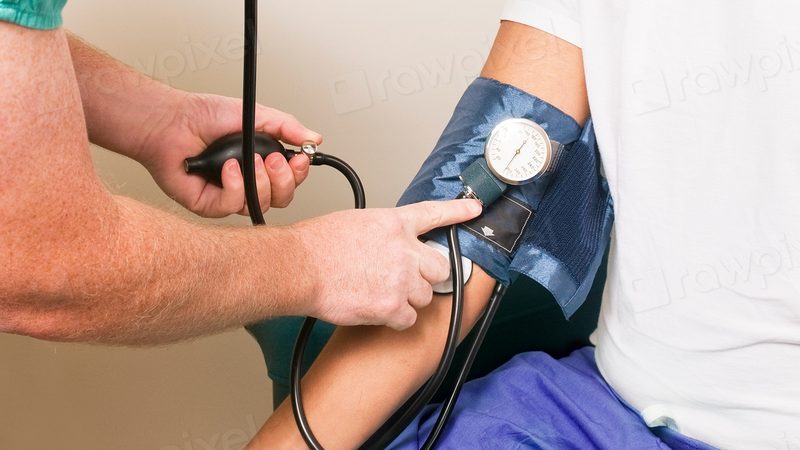
What a Full Health Check-Up Actually Includes
Blood panels, imaging, cardiac tests and cancer screening: what belongs in a serious check-up, what is padding, and how a two-day programme runs.

Cancer Screening by Age: What to Do and When
A decade-by-decade map of evidence-based cancer screening, plus the risk factors that move your personal start dates earlier.

Executive Check-Up: Is the Premium Worth It?
What separates a VIP check-up from the standard package: the medically meaningful additions, the comfort you pay for, and how to choose a tier.
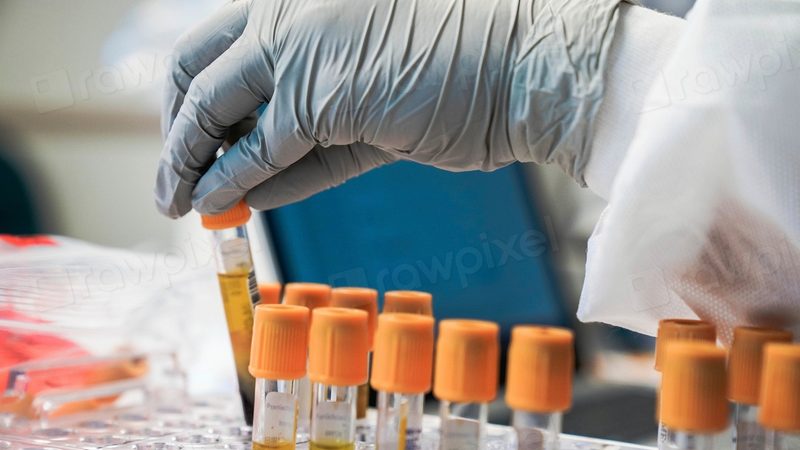
How to Prepare for a Health Check-Up
Fasting is only part of it. Which medicines to take as usual, which supplement distorts a thyroid result, and the small things that spoil a whole panel.
Have your case reviewed before you decide anything
Send your photographs and medical history. A board-certified surgeon reviews them and comes back with an honest assessment of what is achievable, which technique suits you, and an itemised written quote — before any money changes hands.
Get a FREE Second OpinionThis page provides general information about this procedure; it is not medical advice, a diagnosis, or a treatment recommendation. Capital Oncology Group is a care-coordination service and not a medical provider. All procedures are performed by independent, accredited hospitals and licensed physicians, and the decision to operate must be made by a qualified surgeon after examining you individually.