Dental Treatments
Dental work abroad is straightforward when the plan is honest and complicated when it is not. The single most important question is not what a crown costs — it is how many of your healthy teeth have to be ground down to deliver the smile in the photograph. Our answer is none that do not need it.
Treatments we coordinate
Each treatment has its own page covering what it involves, who it suits, how long it takes and what the price should include.
Dental Implants
A titanium root that must fuse to bone. Two trips, not one week.Dental Veneers
A thin shell on the front of the tooth. Not the same as a crown.Zirconia Crowns
Strong enough for back teeth. A full crown, not a veneer.Hollywood Smile
A package name, not a procedure. Ask what is inside it.Dental Surgery
The operation is the easy part. Plan the flight around the recovery.The question to ask before anything else
A crown or veneer requires the tooth beneath it to be reduced. That reduction is permanent: enamel does not grow back. A plan that proposes twenty crowns on a mouth with twenty healthy teeth is not a dental plan, it is a cosmetic one with a lifelong maintenance cost attached.
We ask every clinic in the network to state, in writing, which teeth they intend to prepare and why. If a healthy tooth appears on that list without a reason, the plan comes back for revision before you see it.
How long it takes, realistically
- Veneers and crowns: one trip of five to seven days, with the final fit at the end.
- Implants: two trips. The implant is placed, then three to six months of healing, then the crown.
- Any plan that promises implants and final crowns in a single week is skipping the healing the implant needs.
What the price should include
A per-tooth price without a written treatment plan is not a quote. Ask for the count, the material and the guarantee before comparing numbers between clinics.
- The number of teeth treated, listed individually rather than as a package.
- The material by name — zirconia, emax, titanium brand — not just 'premium'.
- The guarantee in years, and who honours it if something fails after you fly home.
Twenty crowns is a decision, not a discount
Package pricing makes it cheaper per tooth to treat more teeth. That is an incentive pointed away from your interests. Ask which teeth would be left alone if the price were the same either way.
Frequently asked questions
Is dental treatment abroad safe?
The materials and equipment used in accredited clinics are the same ones used everywhere else; the variable is the plan and the follow-up. Risk rises when a plan is built around a package rather than an examination, and when nobody is responsible for the result once you have flown home. Both are contractual questions, not clinical ones.
How much do dental implants and veneers cost?
Cost depends on the number of teeth, the material and whether bone grafting is needed, so a single figure quoted before an examination is a marketing number rather than a price. We send your X-rays to the clinics in the network and return an itemised written quote per tooth, which is the only version worth comparing.
Will my dentist at home take over the follow-up?
Many will, and it is worth asking before you travel rather than after. We provide the full clinical record — the treatment plan, the materials used with their batch references, and the X-rays — in a form your own dentist can work from. Treatment that arrives home undocumented is difficult for anyone to take responsibility for.
Why is dental treatment so much cheaper in Turkey?
The price gap comes from operating costs, not from cheaper materials. Clinic rent, staff salaries and lab work cost a fraction of what they do in Western Europe, and the lira exchange rate widens the gap further. The implants and ceramics used are the same international brands. What genuinely differs is the time you get: some high-volume clinics compress work that would normally take weeks into a few days.
How many days do I need to stay for dental treatment?
Veneers and crowns take five to seven days in a single trip: preparation and impressions on day one, a try-in around day four, and cementation at the end. Implants need two trips separated by three to six months, because the bone has to fuse to the implant before the final teeth go on. Anyone offering implants and permanent crowns within one week is skipping the healing phase.
What happens if something goes wrong after I fly home?
Get the answer in writing before you travel, not after. A serious clinic gives a written warranty stating what is covered, for how long, and who pays for the return flight if remaking is needed. Ask three specific questions: does the guarantee cover the lab work or only the implant fixture, is there a partner dentist in your country, and what documentation will you receive to hand your own dentist.
Is the quality the same as at home?
The materials are identical; the variable is the dentist and the pace. Turkish dental schools train to European standards and the top clinics match anything in Western Europe. The risk in dental tourism is not the country but the model: clinics that see forty patients a day, prepare sixteen teeth in one sitting and skip the try-in stage. Judge the clinic by its schedule, not its price list.
What does an all-inclusive dental package actually include?
Usually the treatment, hotel and airport transfers — but rarely the extras that decide the final bill. Ask specifically whether the price covers root canals, extractions, bone grafts, temporary crowns and the CT scan, because these are the items most often added on arrival. Get a written treatment plan with a per-tooth breakdown after your x-rays are reviewed, and treat any quote given before that as an estimate.
Can I have dental work done if I have gum disease?
Gum disease must be treated first, otherwise crowns and implants placed on inflamed tissue fail. Active periodontitis is the single most common reason good dental work comes loose within a few years. Treatment means deep cleaning and a healing period of six to twelve weeks before any restoration begins. A clinic that agrees to place sixteen crowns on bleeding gums in one week is not planning for your five-year outcome.
Do I need veneers or crowns?
It depends on how much healthy tooth you still have. Veneers cover only the front surface and suit teeth that are structurally sound but discoloured, chipped or slightly misaligned. Crowns encase the whole tooth and are needed after root canals, large fillings or fractures. A clinic that quotes crowns for every tooth in a cosmetic case is removing far more enamel than the situation requires.
Should I get all my treatment in one trip?
Cosmetic work yes, surgical work no. Veneers, crowns and whitening fit comfortably into one week because they follow a predictable lab sequence. Implants, bone grafts and extractions need healing time that cannot be compressed, so combining everything into one visit means either rushing the surgery or loading final restorations onto tissue that has not settled. Two shorter trips usually produce a better result than one long one.
Related reading
More on this treatment
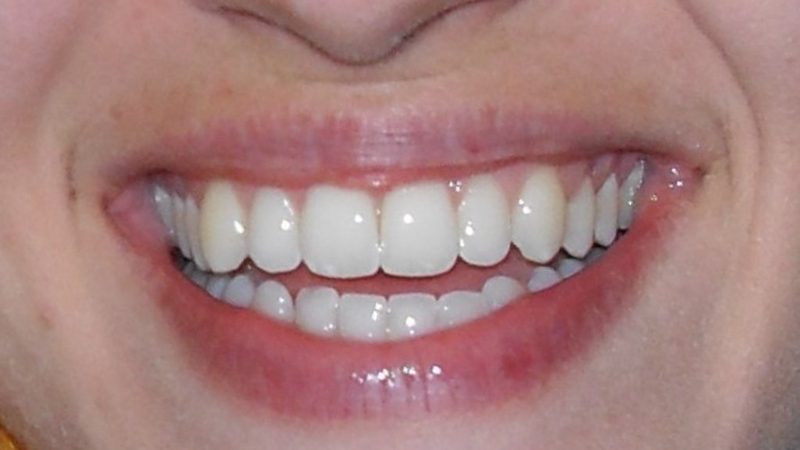
Turkey Teeth: Veneers vs Crowns, and Why It Matters
A veneer covers the front of a tooth; a crown replaces the whole outer surface. The difference is how much enamel is removed — and it is permanent.

JCI Accreditation Explained: How to Judge a Hospital Abroad
What Joint Commission International actually inspects, what the badge does not tell you, and five questions that reveal a hospital's real quality.
Have your case reviewed before you decide anything
Send your photographs and medical history. A board-certified surgeon reviews them and comes back with an honest assessment of what is achievable, which technique suits you, and an itemised written quote — before any money changes hands.
Get a FREE Second OpinionThis page provides general information about this procedure; it is not medical advice, a diagnosis, or a treatment recommendation. Capital Oncology Group is a care-coordination service and not a medical provider. All procedures are performed by independent, accredited hospitals and licensed physicians, and the decision to operate must be made by a qualified surgeon after examining you individually.