VIP Check-Up
The VIP package differs from the standard one in two substantive ways: it includes gastroscopy and colonoscopy under sedation, and it gives you unhurried time with each specialist across two days rather than a compressed single day. Everything else that changes is comfort — real, but worth naming for what it is.
What the premium actually buys
Two things of genuine clinical value. First, endoscopy: gastroscopy and colonoscopy under sedation, which cannot be fitted into a one-day package because colonoscopy needs bowel preparation the night before. Colonoscopy is the cancer screening test with the strongest evidence of all, so including it is a real upgrade rather than a badge.
Second, time. A one-day check-up is efficient but compressed; consultations run to schedule and there is little room to explore a question in depth. Spreading the same work across two days gives each specialist a longer appointment and gives you space to ask what you actually came to ask. For people with a complicated history, that is worth more than any additional test.
What is added over the standard package
Who it suits — and who does not need it
- Adults over 45 who are due for bowel cancer screening and have not had a colonoscopy
- Anyone with reflux, unexplained anaemia, altered bowel habit or unexplained weight loss — although these are symptoms and may need targeted investigation rather than screening
- A family history of bowel or stomach cancer, particularly in a first-degree relative
- People with a complex medical history who need genuine consultation time, not a conveyor belt
- Travellers who prefer two unhurried days to one compressed one
- Not needed for a healthy 32-year-old with no symptoms and no family history — the standard package is the better and more honest choice
- Not a substitute for targeted investigation if you already have a symptom that worries you
Preparation
- Day one: fast 10–12 hours for bloods and abdominal ultrasound; water allowed
- Day one evening: bowel preparation for the colonoscopy — a laxative solution taken in divided doses, which is the least pleasant part of the two days and the one people most often underestimate
- A clear-liquid diet for the whole of day one evening; no solid food after lunch
- Blood thinners: aspirin can usually continue, but clopidogrel, warfarin and direct anticoagulants need a specific plan agreed in advance with the endoscopist
- Diabetes medication needs adjusting on the preparation day; ask before travelling, not on arrival
- Bring previous endoscopy or colonoscopy reports if you have had them — the interval to the next one depends on what was found last time
- Arrange for someone to accompany you on day two; sedation means you cannot travel alone afterwards
How the two days run
Day one mirrors the standard package: fasting bloods first thing, then imaging, ECG and echocardiogram, specialist consultations, and the cardiology assessment. You eat after the bloods, then move to clear liquids from the afternoon and begin bowel preparation in the evening.
Day two is the endoscopy, done under sedation so you are asleep for it and remember nothing. Gastroscopy takes about ten minutes, colonoscopy twenty to thirty. Polyps found are removed during the procedure and sent for histology. You rest for an hour or two, eat, and then have the final consultation — which now includes what was seen inside as well as everything from day one.
Duration and practicalities
- Duration: two days, roughly 08:00–16:00 on day one and 08:00–14:00 on day two
- Stay in the country: three nights — arrive the evening before, leave the day after the endoscopy
- Sedation on day two: no driving, no signing anything legally binding, and no flying for 24 hours
- A companion is required for discharge after sedation
- Bowel preparation the evening of day one; plan a quiet evening in the hotel
- Results: everything except biopsy histology on day two; histology within about a week
- Interpreter throughout, and the written report issued in English with translation available
After the endoscopy
What you take home
Everything from the standard package — the written report, the raw laboratory values, the imaging and its reports — plus the endoscopy report with photographs of what was seen, and the histology once it is ready. Where a polyp was removed, you also leave with a defined interval for your next colonoscopy.
That interval is the part worth keeping safe. Bowel screening works because it is repeated on schedule, and the schedule depends on what was found this time. A colonoscopy done once and never followed up delivers a fraction of its value.
Risks and limitations
- Endoscopy carries a small but real risk of bleeding or perforation, higher when polyps are removed — around one in a thousand for diagnostic colonoscopy
- Sedation risks are low but not zero, and rise with sleep apnoea, obesity and heart or lung disease
- Bowel preparation causes cramping, and dehydration if you do not drink enough alongside it
- A normal colonoscopy does not exclude cancer elsewhere; it examines the large bowel only
- Small polyps can be missed, particularly if preparation was incomplete — which is why preparation matters more than it seems
- The comfort component of the package has no clinical value, and should not be confused with better medicine
- As with any check-up, false positives and incidental findings are inevitable
Cost and whether it is worth it
The VIP package costs substantially more than the standard one, and the honest breakdown is roughly this: the endoscopy is a genuine clinical addition with strong evidence behind it; the extended consultation time is valuable if your history warrants it; the suite, the transfers and the private coordinator are comfort. All three can be worth paying for — but you should know which you are buying.
- Whether gastroscopy and colonoscopy are both included, or only one
- Whether sedation and the anaesthetist's fee are inside the price
- Whether polyp removal and histology are included, or billed if something is found
- The itemised list of everything else, as with the standard package
- Whether the final consultation is with a physician and how long it is scheduled for
- What is comfort and what is clinical — ask the clinic to separate them
- What happens, and what it costs, if the endoscopy finds something needing immediate treatment
If you are under 45 with no symptoms, buy the standard package
The main clinical reason to choose VIP is the endoscopy, and endoscopy is not recommended as screening for people under 45 with no symptoms and no family history. Paying the premium for comfort is a legitimate personal choice; paying it in the belief that more tests means more safety is not. We will tell you which package your situation actually calls for, even when it is the cheaper one.
Frequently asked questions
Is the colonoscopy painful?
Not under sedation, which is standard here. You are asleep for the twenty to thirty minutes it takes and remember nothing afterwards. The unpleasant part is the bowel preparation the night before — most patients describe the preparation as far worse than the procedure.
Is VIP worth the extra money?
It depends entirely on whether you need the endoscopy. If you are over 45 and due for bowel screening, yes — colonoscopy is the single most valuable preventive test in medicine and the package delivers it properly. If you are 35 with no symptoms, the extra money buys comfort and a longer conversation, both real but neither medical.
Can I do the endoscopy without the whole package?
Yes. If bowel screening is the only thing you need, gastroscopy and colonoscopy can be arranged on their own over two days without the rest of the check-up. It costs considerably less, and for a patient whose only gap is bowel screening it is the more sensible option. Ask for it — we will not upsell you into a package you do not need.
How soon can I fly after the endoscopy?
After 24 hours, which is why the package assumes three nights. Sedation affects judgement and coordination for the rest of the day, and if a polyp was removed there is a small risk of delayed bleeding in the first 24 to 48 hours — better to be in the same city as the endoscopist if that happens.
What does the VIP checkup include that the standard one does not?
The VIP programme adds cardiac imaging, a private suite and a coordinator who walks you through every station, so the day involves no queueing and no repeated registration. Medically it extends the cardiology and imaging work-up; organisationally it removes the waiting. The laboratory panel is largely the same as in the full package — the difference is depth in imaging, not in blood tests.
Does a more expensive package find more disease?
Not automatically — beyond a certain point extra tests mainly find harmless variations that then need explaining. The VIP package earns its price for people with cardiac risk factors, a strong family history or a demanding schedule, where the added imaging and the saved time both count. For a healthy 35-year-old, the full package answers the same questions just as well.
Do I get a private room and a personal coordinator?
Yes — the VIP programme includes a private suite that stays yours for the whole day and an English-speaking coordinator who accompanies you between departments. Meals are served in the suite once the fasting tests are done, and the specialists come to you for several of the consultations rather than the other way round. Nothing is shared with other patients.
Is coronary CT or cardiac MRI part of the VIP checkup?
Coronary calcium scoring is included in the VIP programme, and coronary CT angiography or cardiac MRI are added when the risk profile justifies them. The calcium score is a short, low-dose scan that quantifies the plaque already in your arteries and predicts risk better than cholesterol alone. The heavier scans stay optional, decided with the cardiologist on the day.
Can my partner be examined on the same day?
Yes, couples are routinely booked into the same day and share the suite between stations. The two programmes run in parallel rather than in sequence, so the day is no longer for either of you, and the packages are adjusted separately by age and sex. Couple bookings usually carry a discount on the second programme.
Is an interpreter available during the checkup?
Yes, an interpreter accompanies you for the whole programme, and the VIP package includes one as standard rather than on request. The physicians giving the final consultation speak English directly; the interpreter matters most for the technicians, the nursing staff and the small practical instructions during imaging. Arabic, Russian, German and French are covered without extra notice.
How long does the VIP checkup take?
The VIP programme takes 5 to 7 hours on one day, and it is not longer than the standard package despite covering more, because the waiting between stations disappears. You start around 08:00 and finish in the early afternoon with the results consultation already done. Endoscopy, if included, adds about 90 minutes for the procedure and recovery.
Are hotel and transfers included in the VIP package?
Airport and hospital transfers are included; the hotel is arranged for you but billed separately unless you take a package that states otherwise. We book a hotel within fifteen minutes of the hospital, which matters because the programme starts before 08:00. Ask for the written breakdown before you pay — it lists exactly which nights and transfers are covered.
Related reading
More on this treatment
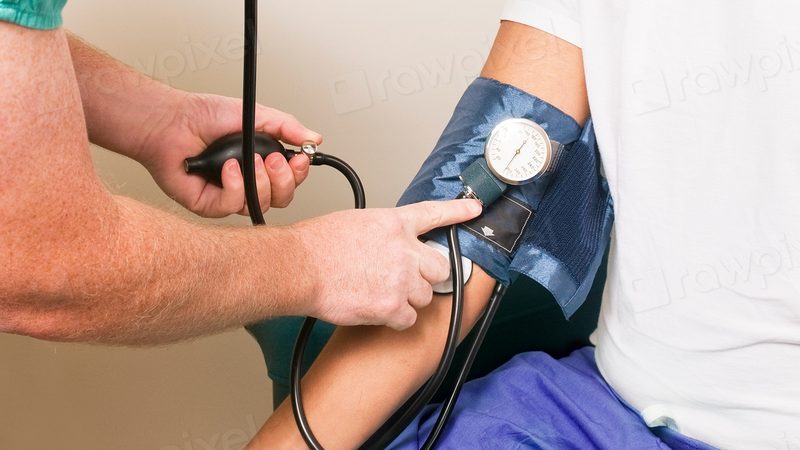
What a Full Health Check-Up Actually Includes
Blood panels, imaging, cardiac tests and cancer screening: what belongs in a serious check-up, what is padding, and how a two-day programme runs.

Executive Check-Up: Is the Premium Worth It?
What separates a VIP check-up from the standard package: the medically meaningful additions, the comfort you pay for, and how to choose a tier.

Check-Up Results: When They Arrive and How to Share
Bloods the same day, pathology up to a week. What to ask for so your own doctor can use the file — including the unit problem that confuses readings.

Cancer Screening by Age: What to Do and When
A decade-by-decade map of evidence-based cancer screening, plus the risk factors that move your personal start dates earlier.
Have your case reviewed before you decide anything
Send your photographs and medical history. A board-certified surgeon reviews them and comes back with an honest assessment of what is achievable, which technique suits you, and an itemised written quote — before any money changes hands.
Get a FREE Second OpinionThis page provides general information about this procedure; it is not medical advice, a diagnosis, or a treatment recommendation. Capital Oncology Group is a care-coordination service and not a medical provider. All procedures are performed by independent, accredited hospitals and licensed physicians, and the decision to operate must be made by a qualified surgeon after examining you individually.