Radiotherapy & Immunotherapy
These two are grouped together because patients hear about them together, but they answer opposite questions. Radiotherapy is a local treatment: it destroys cancer in one defined place, with millimetre precision, and its main variable is the machine and the plan behind it. Immunotherapy is a systemic treatment that works by releasing the brakes on your own immune system — and it works only when the tumour has features that make it visible to that system. The single most useful thing you can learn on this page is which of the two your case is even a candidate for.
Methods we coordinate
Each method has its own page covering how it works, who it suits, the session schedule, the side effects to expect and what the price should include.
Who each one is for
The practical consequence is that immunotherapy has an entrance exam and radiotherapy does not. Before anyone quotes you a price for immunotherapy, the tumour tissue should have been tested for the relevant markers and the result should be in your file. If that test has not been done, the honest next step is the test, not the treatment.
What the schedule looks like
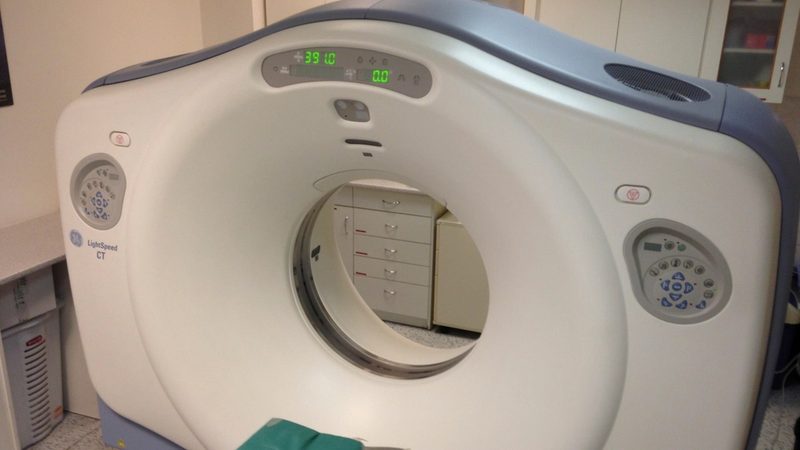
- Radiotherapy planning: a CT simulation and a marked position, usually three to seven days before the first session
- Conventional radiotherapy: short daily sessions, five days a week, across three to seven weeks
- Stereotactic radiotherapy (SBRT): one to five sessions in total, which is why it fits a short trip when the tumour suits it
- Immunotherapy: an infusion every two to four weeks, typically continued for up to two years if it is working
- Because immunotherapy runs long, most patients start it abroad only if it can be continued at home — confirm that before you begin
Side effects work differently here
Radiotherapy side effects are local and predictable: skin and tissue reactions in the treated area, building through the course and settling in the weeks after. Immunotherapy is different — because it removes a brake, the immune system can turn on healthy organs, most often the thyroid, bowel, skin, liver or lungs. These reactions can appear weeks or months after a dose, including after you have flown home, and they need steroids rather than waiting. Anyone starting immunotherapy abroad should leave with a written list of warning symptoms and a named doctor to contact.
Frequently asked questions
Is proton therapy better than standard radiotherapy?
Better for a narrow set of situations, not in general. Protons deposit their dose and stop, which spares tissue beyond the target — genuinely valuable in children, in tumours next to the spinal cord, eye or brainstem, and in some re-treatments. For most common adult cancers, well-planned modern photon radiotherapy gives the same tumour control at a fraction of the price. Being offered protons for a routine case is a pricing decision, not a clinical one.
Can I have radiotherapy abroad and chemotherapy at home?
Often yes, and it is a common arrangement — but only when the two teams are actually talking. Many regimens deliver chemotherapy and radiotherapy concurrently, precisely timed against each other, and splitting them across countries without a shared written protocol is where harm happens. Ask for the radiotherapy plan, dose and fields in a document your own oncologist can read, and confirm they accept the arrangement before you travel.
Does radiotherapy make me radioactive?
Not with external beam radiotherapy, which is what almost everyone receives. The machine switches off and nothing remains in you; you can hug your children and share a bed the same evening. The exception is brachytherapy, where a radioactive source is placed inside the body, and certain radioactive drugs — in those cases the team gives explicit, temporary distance rules and tells you exactly how long they last. If nobody has given you such rules, you do not need them.
Does radiotherapy hurt?
No — you feel nothing at all during a session, exactly as with an X-ray. You lie still for 10 to 20 minutes while the machine moves around you, and the beam itself has no sensation. What can become uncomfortable is the cumulative skin reaction after two or three weeks, which resembles sunburn and settles within a month of finishing.
Am I radioactive after radiotherapy — is it safe to be near my children?
No — with standard external radiotherapy you carry no radiation whatsoever once you leave the room, and normal contact with children and pregnant women is completely safe. The machine emits the beam only while it is on, and nothing remains in your body. The exception is internal radiotherapy, where a source is placed inside you and short, clearly explained precautions apply for a few days.
How many radiotherapy sessions will I need and how long must I stay?
Standard courses run 15 to 33 sessions, one per weekday, so plan on three to seven weeks in the country. Stereotactic treatment such as SBRT compresses the same dose into 1 to 5 sessions and needs only a week. The number depends on the tumour and its site, and is fixed at the planning CT before treatment begins, not adjusted along the way.
What is the difference between immunotherapy and chemotherapy?
Chemotherapy attacks dividing cells directly; immunotherapy releases the brakes on your own immune system so it recognises and attacks the tumour. That difference shapes everything else: immunotherapy causes little hair loss or nausea, but can inflame healthy organs such as the thyroid, bowel or lungs. It also works only in cancers that carry the right markers, which is why testing comes first.
What side effects does immunotherapy cause?
Fatigue, skin rash and diarrhoea are the common ones, and most patients tolerate the infusions better than chemotherapy. The reactions that matter are inflammatory: the thyroid, the bowel, the liver and occasionally the lungs can become inflamed, usually between weeks four and twelve. These respond well to steroids when caught early, which is why any new persistent symptom should be reported the same week rather than at the next appointment.
What is SBRT and how is it different from normal radiotherapy?
SBRT delivers a very high dose to a small, precisely mapped target in 1 to 5 sessions instead of spreading a lower dose over several weeks. Sub-millimetre imaging and breath control let the beam stop sharply at the tumour edge, sparing surrounding tissue. It suits small, well-defined tumours — early lung cancer, isolated liver or spine lesions — rather than large or diffuse disease.
Can I have radiotherapy again if I have already had it?
Sometimes — it depends on how much dose the surrounding healthy tissue already absorbed and how long ago. Re-irradiation is realistic when the earlier course was years ago, the area was different, or modern stereotactic technique can spare the previously treated tissue. Bring the original radiotherapy plan and dose records; without those documents no one can safely tell you whether a second course is possible.
Can radiotherapy and immunotherapy be given together?
Yes, and the combination is now standard in several cancers, most clearly in locally advanced lung cancer where immunotherapy follows chemoradiotherapy. Radiation exposes tumour antigens and can make the immune response stronger. The two are usually sequenced rather than given on the same day, and the plan is set by the tumour board so that lung and bowel inflammation risks are watched deliberately.
More on this treatment
Have your case reviewed before you decide anything
Send your photographs and medical history. A board-certified surgeon reviews them and comes back with an honest assessment of what is achievable, which technique suits you, and an itemised written quote — before any money changes hands.
Get a FREE Second OpinionThis page provides general information about this procedure; it is not medical advice, a diagnosis, or a treatment recommendation. Capital Oncology Group is a care-coordination service and not a medical provider. All procedures are performed by independent, accredited hospitals and licensed physicians, and the decision to operate must be made by a qualified surgeon after examining you individually.