Dental Veneers
A veneer is a thin ceramic shell bonded to the front of a tooth. A crown is a cap that covers the whole tooth after it has been reduced on every side. They look similar in a photograph and they are not remotely the same thing — and a great deal of what is sold abroad as veneers is, in fact, crowns.
Veneer or crown: the distinction that decides everything
A veneer removes roughly 0.3 to 0.7 millimetres from the front face only, and in some cases almost nothing at all. A crown removes one to two millimetres from every surface, leaving the tooth as a small peg. Enamel does not grow back, so the second decision cannot be undone.
Both have legitimate uses. A crown is the right answer for a heavily filled, cracked or root-treated tooth that needs to be held together. It is the wrong answer for a sound tooth that is merely the wrong shade.
Who veneers suit
Veneers work best on teeth that are healthy but discoloured, slightly chipped, mildly crowded or uneven in shape. They are a surface solution, and they are at their best when there is enough enamel left to bond to — bonding to dentine is measurably weaker.
- Severe crowding is an orthodontic problem; straightening teeth with veneers means grinding healthy ones.
- Grinding and clenching shorten veneer life; a night guard is part of the plan, not an add-on.
- Active gum disease must be treated first — a veneer margin sitting on inflamed gum will not look right for long.
- Very dark teeth may need a crown or internal bleaching; a thin shell will not mask everything.
Materials and types
Preparation
- Ask for the treatment plan to name each tooth and state veneer or crown for each one.
- Agree the shade in daylight, not under the surgery lamp; very white shades photograph better than they live.
- Whiten natural teeth first if you want a lighter result — ceramic cannot be bleached later.
- Ask to see a mock-up or trial smile in your own mouth before any tooth is touched.
How the procedure is performed
The first appointment is preparation and impressions, usually with temporaries fitted the same day. The laboratory then makes the ceramic, which takes several working days. The second appointment is the try-in and bonding, and it is where the result is actually decided.
Insist on seeing the veneers in place before they are cemented. Once bonded, changing shape or shade means remaking them — and remaking means preparing the tooth again.
Duration and stay
- Local anaesthesia is usually enough; many minimal-prep cases need none at all.
- One trip of five to seven days covers preparation, laboratory time and bonding.
- Composite veneers can be completed in a single visit.
- Allow a spare day at the end in case the try-in shows something needs adjusting.
The first weeks
How long they last
Ceramic veneers typically last ten to fifteen years, and often longer when the bite is even and the patient does not grind. Composite lasts around five. The ceramic itself does not decay, but the tooth underneath still can — which is why the gum margin is the part that decides longevity.
Replacement is a normal part of owning veneers, not a failure. Budget for it the way you would budget for replacing a roof: not soon, but not never.
Risks and trade-offs
- Irreversibility: once enamel is removed the tooth will always need covering.
- Chipping or debonding, most often in people who grind or bite hard objects.
- Sensitivity, usually temporary but occasionally persistent when much enamel is gone.
- Gum recession over the years exposes the margin, which shows as a line at the gum.
- An over-white, over-uniform result that photographs well and reads as artificial in person.
Cost and what should be included
Veneers are priced per tooth, which makes the total a direct function of how many teeth are treated. That is exactly why the number needs to be clinically justified rather than chosen to fill a smile in a photograph. Eight to ten teeth cover most smiles; twenty is a different decision entirely.
- A per-tooth price, with the exact number of teeth named in the plan.
- The material stated by name — feldspathic, e.max, zirconia or composite.
- Temporaries, the try-in appointment and any adjustment included, not extra.
- A written guarantee, and what happens if one debonds after you get home.
Count the teeth before you compare the prices
A quote for twenty teeth will always beat a quote for eight on price per tooth, and cost far more in both money and enamel. Compare plans by how many healthy teeth each one leaves alone.
Frequently asked questions
Are turkey teeth veneers or crowns?
In many of the cases that end badly, they are crowns sold under the word veneer. The tell is the amount of tooth removed: if the preparation photographs show small pegs rather than shaved front surfaces, those are crowns. Ask for that photograph before you agree to anything.
Can veneers be removed later?
They can be removed, but the tooth underneath does not return to how it was. Whatever enamel was taken is gone, so a veneer is replaced by another veneer or by a crown rather than by nothing. Treat the first preparation as the permanent decision, because it is.
How many veneers do I actually need?
As many as show when you smile widely, and no more. For most people that is the six to ten upper front teeth. If a plan proposes treating teeth that never appear in your smile, ask what clinical problem those teeth have — and if the answer is none, remove them from the plan.
Will my healthy teeth be filed down for veneers?
A thin layer of enamel is removed — typically 0.3 to 0.7 millimetres from the front surface only, about the thickness of a fingernail. That is far less than a crown, which removes material from all sides. Some cases allow no-prep veneers with almost no reduction. Be cautious if a clinic proposes reducing teeth to small pegs: that is crown preparation being sold under the word veneer.
Are veneers reversible?
No, once enamel has been removed it does not grow back. From that point the tooth needs some form of covering permanently, so a veneer is a lifelong commitment rather than a cosmetic experiment. The only genuinely reversible option is no-prep veneers or composite bonding, which sits on top of untouched enamel. Ask which one you are being quoted before agreeing to anything.
How long do veneers last?
Porcelain veneers last ten to fifteen years on average, and well-made cases often reach twenty. Composite veneers last four to eight years and stain sooner. The most common reason for early failure is not the ceramic breaking but the bond at the edge leaking, which is why the quality of the cementation matters as much as the material. Night grinding shortens the life of any veneer considerably.
Will veneers look fake or too white?
That is a design choice, not a limitation of the material. Natural-looking veneers vary slightly in shade between teeth, have translucent edges and keep small irregularities in shape. The artificial look comes from a single flat shade across every tooth, uniform length and total opacity. Bring reference photographs of smiles you like, and ask for a mock-up you can see in your mouth before anything is made.
Do veneers stain from coffee, tea or smoking?
Porcelain itself does not stain, because its glazed surface is non-porous. What discolours over time is the thin cement line at the gum margin and any natural tooth still visible beside the veneer. Composite veneers are different — they absorb pigment and dull within a few years. Smoking is the strongest staining factor, and it also raises the risk of gum recession that exposes the veneer edge.
How do I care for veneers?
Brush and floss exactly as you would with natural teeth, and add three habits: a night guard if you grind, avoiding biting hard objects like ice or pen caps, and a professional clean every six months. Do not use abrasive whitening toothpastes, which dull the glaze. The gum line is where problems start, so flossing under the veneer edge matters more than anything else you do.
Can a single veneer be replaced if it breaks?
Yes, individual veneers are replaced routinely, but colour matching is the difficulty. Your existing veneers will have picked up subtle changes at the margins and the new one is made to a fresh shade, so a single replacement can stand out slightly. This is one practical reason to keep a written record of your shade and the ceramic brand, and to ask your clinic for it before you fly home.
Related reading
More on this treatment
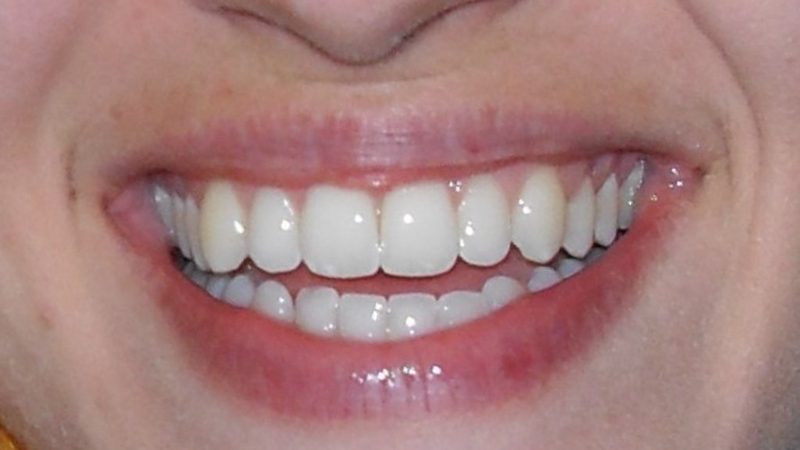
Turkey Teeth: Veneers vs Crowns, and Why It Matters
A veneer covers the front of a tooth; a crown replaces the whole outer surface. The difference is how much enamel is removed — and it is permanent.
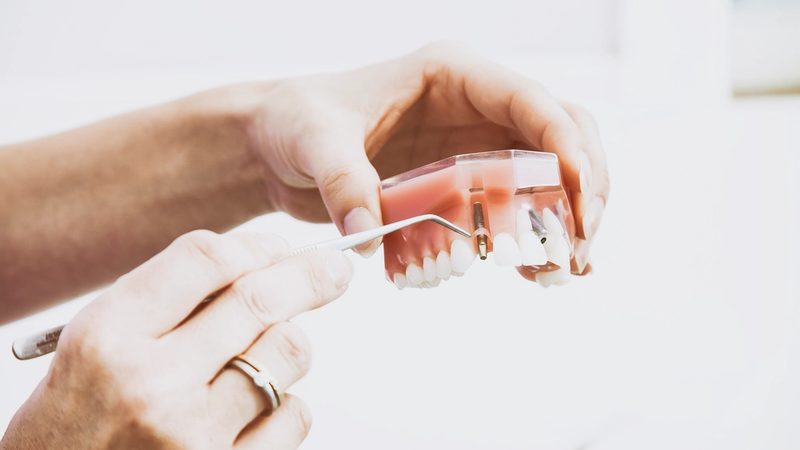
Zirconia or E.max? Choosing the Right Material
Zirconia is strong, E.max is translucent. Front teeth and back teeth ask different questions — here is how the choice is actually made.

Smile Makeover: How Many Days Does It Really Take?
Five to seven days, and the try-in appointment in the middle is the one you cannot skip. What each day holds, and where rushed schedules go wrong.
Do Veneers Damage Healthy Teeth?
A veneer removes 0.3 to 0.7 mm of enamel; a crown removes three times that. The number you should ask for before you agree to anything.

JCI Accreditation Explained: How to Judge a Hospital Abroad
What Joint Commission International actually inspects, what the badge does not tell you, and five questions that reveal a hospital's real quality.
Have your case reviewed before you decide anything
Send your photographs and medical history. A board-certified surgeon reviews them and comes back with an honest assessment of what is achievable, which technique suits you, and an itemised written quote — before any money changes hands.
Get a FREE Second OpinionThis page provides general information about this procedure; it is not medical advice, a diagnosis, or a treatment recommendation. Capital Oncology Group is a care-coordination service and not a medical provider. All procedures are performed by independent, accredited hospitals and licensed physicians, and the decision to operate must be made by a qualified surgeon after examining you individually.