Zirconia Crowns
Zirconia is a ceramic that is exceptionally hard, which makes it the material of choice where chewing forces are highest. But choosing zirconia is choosing a full crown, and a full crown means the tooth beneath is reduced on every side. That is worth doing for a tooth that needs protecting. It is not worth doing for a tooth whose only fault is its colour.
What zirconia is, and what it is not
Zirconia is zirconium dioxide, a ceramic milled from a solid block rather than layered by hand. Its strength is its selling point: it resists fracture where porcelain fused to metal used to be the only durable option, and it contains no metal, so there is no dark line at the gum.
What it is not is a way to avoid removing tooth. The word appears in marketing beside the word veneer, but the preparation is that of a crown. If a plan offers zirconia for the front teeth, it is offering to reduce those teeth completely.
The teeth zirconia is right for
- A root-treated tooth, which is brittle and needs to be held together rather than merely covered.
- A tooth with a large old filling where more filling than tooth remains.
- A cracked tooth, where a crown distributes the biting force across the whole tooth.
- Back teeth generally, where chewing loads break weaker ceramics.
- An implant crown, where strength matters more than translucency.
Types of zirconia
Preparation
- Ask which teeth are crowned because they are damaged, and which only for appearance.
- Have decay and any needed root canal treatment completed before the crown is made.
- Agree whether monolithic or layered zirconia is used, and where each is used.
- Choose the shade against your own untreated teeth, in daylight, before anything is prepared.
How the procedure is performed
The reduction is done under local anaesthesia and takes roughly forty minutes per tooth for a small number, less per tooth when several are prepared in one session. Temporaries protect the prepared teeth while the laboratory works.
At the fitting appointment the crowns are checked for fit, contact with neighbouring teeth, shade and bite before cementation. This is the appointment worth being fussy at — adjusting after cementation is harder and sometimes impossible.
Duration and stay
- Local anaesthesia; no sedation needed for a routine case.
- One trip of five to seven days for preparation, laboratory work and fitting.
- Same-day chairside milling exists but limits the shade work a technician can do.
- Keep a spare day before flying home in case the bite needs adjusting.
The first weeks
Longevity and appearance
Zirconia crowns commonly last ten to twenty years. What ends them is rarely the ceramic: it is decay at the margin where crown meets tooth, or the fracture of a root that was already weak. Both are reasons to keep the gum line clean and to have the crown checked yearly.
On appearance, a single zirconia crown next to natural teeth is the hardest case: it must match something living. A full set matching each other is technically easier and is also the point at which a smile starts to look uniform in a way teeth never are.
Risks and trade-offs
- Irreversible tooth reduction — the tooth will need a crown for the rest of its life.
- Nerve inflammation after preparation, occasionally requiring root canal treatment afterwards.
- Wear of the opposing natural tooth, because zirconia is harder than enamel.
- Decay at the crown margin, invisible until it is advanced, which is why yearly checks matter.
- A uniform, opaque appearance if too many teeth are crowned in one shade.
Cost and what should be included
Zirconia is priced per unit, and a bridge counts as one unit per tooth-space including the false tooth. Ask for the unit count in writing, because a three-unit bridge and three separate crowns cost differently and look identical in a photograph.
- The number of units, and whether any of them form a bridge.
- Whether the zirconia is monolithic or layered, stated per tooth.
- Temporaries, the fitting appointment and bite adjustment included.
- The guarantee period and what it covers — chipping, debonding, or nothing.
Ask which of these teeth are damaged
Zirconia is an excellent answer to a damaged tooth and an expensive answer to a healthy one. If the plan proposes crowning teeth that have no decay, no crack and no root treatment, the reason is cosmetic — which is a legitimate choice, but it should be made knowingly.
Frequently asked questions
Is zirconia better than e.max?
Neither is better in general; they are better at different jobs. Zirconia is stronger and suits back teeth and long bridges. E.max is more translucent and usually looks better on front teeth. A good plan uses both, in the places each belongs.
Will a zirconia crown damage the opposing tooth?
It can wear it slowly, because zirconia is harder than enamel. Well-polished zirconia is much kinder than rough zirconia, so the finish matters more than the material. If you grind your teeth, a night guard protects both the crown and the tooth it bites against.
Can a zirconia crown be whitened later?
No. Ceramic does not respond to bleaching agents at all. That is why the shade should be settled before the crown is made, and why whitening your natural teeth first — if you intend to — has to happen first rather than later.
How long do zirconia crowns last and when do they need replacing?
Zirconia crowns last fifteen to twenty years and often longer, because the material itself barely wears. Replacement is usually triggered by the tooth underneath rather than the crown: decay at the margin, a root problem, or gum recession that exposes the edge and makes it visible. Have the margins checked annually — a crown can look perfect while the tooth beneath it is failing quietly.
Zirconia or E-max — which should I choose?
Choose by tooth position. E-max is a glass ceramic with the best translucency, so it looks most lifelike on front teeth, but it is more brittle and unsuitable for heavy chewing loads. Zirconia is far stronger and belongs on molars, bridges and in patients who grind. Many good cases use both: E-max on the six front teeth and zirconia everywhere behind them.
Does zirconia look natural on front teeth?
Modern layered zirconia looks very good, though a skilled technician matters more than the material grade. Older monolithic zirconia was opaque and gave the flat, chalky look people associate with cheap dental work. Current multilayer discs have graded translucency built in. Ask which generation the lab uses and to see photographs of their own front-tooth cases, not stock images from the manufacturer.
Will a dark line appear at the gum with zirconia crowns?
No, and this is zirconia's main advantage over older metal-fused crowns. The grey line people remember comes from the metal substructure showing through as the gum recedes; zirconia is metal-free and white throughout, so a receding gum reveals white ceramic instead of a dark rim. If you already have a dark line, replacing metal-ceramic crowns with zirconia is the standard fix.
Can zirconia crowns chip or break?
The zirconia core almost never fractures, but layered crowns can chip at the porcelain surface pressed onto it. Full-contour monolithic zirconia has no layer to chip and is the safest choice for grinders and back teeth. If a crown does chip, small repairs are possible in the mouth but rarely durable; replacement is usually the honest answer. A night guard is the single most effective protection.
Do I need a root canal before getting a crown?
Not routinely — only when the nerve is already damaged, infected or the tooth is very heavily broken down. A healthy tooth can take a crown with its nerve intact, and keeping the nerve alive makes the tooth stronger long term. Be wary of a plan that devitalises every tooth being crowned; that is done to save chair time and it permanently weakens teeth that did not need it.
How many days do zirconia crowns take?
Five to seven days for a full case. Day one is examination, x-rays and preparation with temporary crowns fitted the same evening. The lab needs two to three days for milling and layering. A try-in around day four lets you check shape, length and shade before glazing, and cementation happens on the final day. Skipping the try-in is the corner most commonly cut in fast packages.
Does zirconia wear down the opposing natural teeth?
Only if the surface is left rough. Polished zirconia is actually gentler on opposing enamel than porcelain, despite being harder, because the wear comes from surface texture rather than material hardness. Problems arise when a crown is adjusted at the final visit and the ground area is not repolished. Ask specifically that any chairside adjustment be polished afterwards — it takes two minutes and protects the tooth above for years.
Related reading
More on this treatment
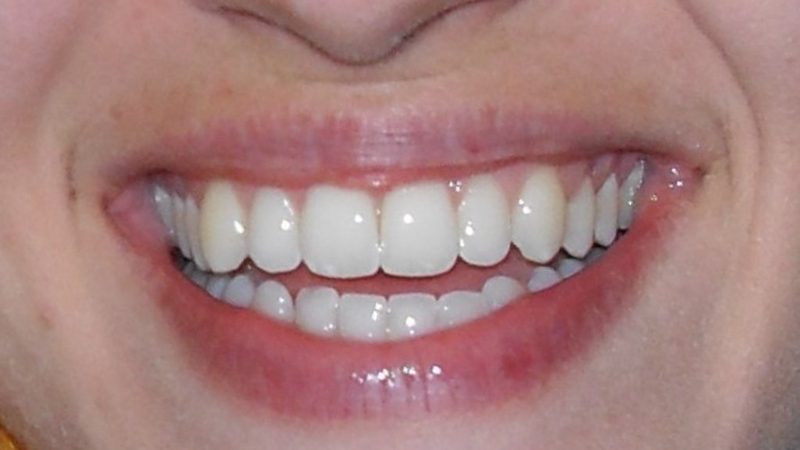
Turkey Teeth: Veneers vs Crowns, and Why It Matters
A veneer covers the front of a tooth; a crown replaces the whole outer surface. The difference is how much enamel is removed — and it is permanent.
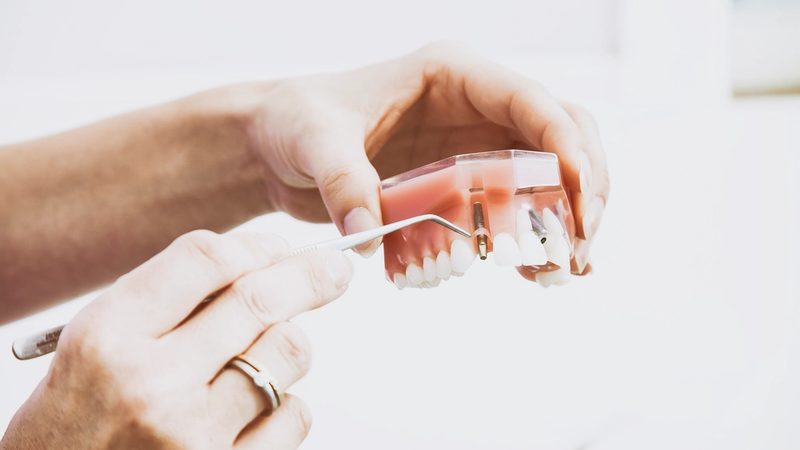
Zirconia or E.max? Choosing the Right Material
Zirconia is strong, E.max is translucent. Front teeth and back teeth ask different questions — here is how the choice is actually made.
How Long Do Zirconia Crowns Last?
Ten to fifteen years is the realistic figure, and what ends a crown is almost never the ceramic. What actually fails, and what a lifetime guarantee covers.

JCI Accreditation Explained: How to Judge a Hospital Abroad
What Joint Commission International actually inspects, what the badge does not tell you, and five questions that reveal a hospital's real quality.
Have your case reviewed before you decide anything
Send your photographs and medical history. A board-certified surgeon reviews them and comes back with an honest assessment of what is achievable, which technique suits you, and an itemised written quote — before any money changes hands.
Get a FREE Second OpinionThis page provides general information about this procedure; it is not medical advice, a diagnosis, or a treatment recommendation. Capital Oncology Group is a care-coordination service and not a medical provider. All procedures are performed by independent, accredited hospitals and licensed physicians, and the decision to operate must be made by a qualified surgeon after examining you individually.