Dental Surgery
Dental surgery is the part of dentistry where the treatment is genuinely necessary and the planning is genuinely difficult. Removing an impacted wisdom tooth takes twenty minutes. Healing takes ten days, and the complications that matter — dry socket, swelling, infection — arrive on the third to fifth day, which for a medical traveller is usually the day of the flight home.
What dental surgery covers
This is the group of procedures that involve cutting: removing teeth that cannot simply be pulled, taking out impacted wisdom teeth, rebuilding bone before an implant, removing cysts, and treating the root tip of a tooth that a root canal alone did not resolve.
Unlike the cosmetic side of dentistry, there is rarely a question of whether these procedures are justified. The questions are whether the assessment before them was thorough enough, and whether anyone will still be responsible for you on day four.
When a wisdom tooth should come out
A wisdom tooth that is fully erupted, cleanable and causing no trouble does not need removing. One that repeatedly becomes infected, has decayed beyond repair, is damaging the tooth in front of it, or sits inside a cyst does. Prophylactic removal of symptom-free impacted teeth is debated and should be argued for, not assumed.
- Repeated pericoronitis — infection of the gum flap over a partly erupted tooth.
- Decay in the wisdom tooth or in the molar in front of it, caused by the gap between them.
- A cyst or lesion visible on imaging around an unerupted tooth.
- Pressure resorbing the root of the neighbouring molar.
- Not on the list: crowding of the front teeth, which wisdom teeth are no longer thought to cause.
The main procedures
Preparation
- Book the return flight for at least three days after surgery, ideally five.
- Ask for a cone-beam CT if a lower wisdom tooth sits near the nerve canal.
- Declare blood thinners, bisphosphonates and any immune-suppressing medication.
- Arrange a soft-food plan and someone to accompany you if sedation is used.
- Get the name and direct contact of the surgeon, not only the coordinator.
How the procedure is performed
Most dental surgery is done awake under local anaesthesia. You feel pressure and hear noise but not pain. Sedation is offered where anxiety is high or several teeth are removed at once, and it requires someone to take you back to the hotel afterwards.
Where a tooth lies against the inferior alveolar nerve, some surgeons deliberately leave the deepest root fragment in place — a coronectomy — because removing it risks permanent numbness of the lip. That is a decision made from a CT scan, and it is worth knowing whether it is on the table before you consent.
Anaesthesia, duration and stay
- A single extraction: twenty to forty minutes.
- Four wisdom teeth in one session: about ninety minutes, usually with sedation.
- Minimum stay: five days, so that the day-three review happens before you fly.
- Bone grafting: same stay, but the implant that follows is months away.
Recovery timeline
What follow-up should look like
Surgery abroad is safe when the aftercare is arranged before the operation rather than improvised after it. That means a review appointment booked while you are still there, written post-operative instructions in your own language, and a named person who answers a message on day six.
Ask, before you book, what happens if you develop an infection after returning home. A clinic that has thought about this will have an answer involving a prescription and a report for your own dentist. A clinic that has not will tell you to come back.
Risks and complications
- Dry socket, in roughly one in twenty extractions and more often in smokers.
- Temporary numbness of the lip or tongue after lower wisdom tooth removal; permanent numbness is rare.
- Infection, usually between days three and seven and treatable with antibiotics.
- Sinus communication after upper molar removal, which may need closing surgically.
- Jaw stiffness for a week or two, particularly after long procedures.
Cost and what should be included
Surgical extraction is priced per tooth and varies with difficulty, so a quote given without seeing an X-ray is provisional by definition. What matters more than the headline figure is whether the review appointment, the medication and the management of a complication are inside the price or outside it.
- The number of teeth and whether each is a simple or surgical extraction.
- Whether the CT scan is included where the nerve is close.
- Sedation, if used, priced separately and clearly.
- The day-three review appointment included, not charged as an extra visit.
- Bone grafting material named and priced, if the site is destined for an implant.
Do not fly on the third day
Swelling peaks and dry socket appears between days three and five. A dentist can settle either in one short appointment; an aircraft cabin cannot. Booking the return for day five or six costs two hotel nights and removes the single most common way a straightforward extraction turns into a bad memory.
Frequently asked questions
Is removing four wisdom teeth at once a good idea?
It is common and reasonable when all four genuinely need removing, and it means one recovery instead of two. The trade-off is a harder few days: more swelling, a softer diet for longer and more difficulty opening the mouth. For a medical traveller the deciding factor is usually whether you have enough days in the country afterwards.
What is dry socket and how do I know I have it?
The blood clot that should fill the socket is lost, leaving bone exposed. The signature is timing and direction: pain that was improving turns worse around day three, is deep and throbbing, often spreads to the ear, and is not relieved much by painkillers. A dentist cleans and dresses the socket and the relief is usually immediate.
Will I be numb permanently?
Temporary altered sensation in the lip or tongue occurs in a small percentage of lower wisdom tooth removals and resolves within weeks to months. Permanent change is rare, well under one per cent, and the risk is highest when roots wrap around the nerve canal — which is precisely what a CT scan is for, and precisely why it should be done rather than skipped.
When can I fly after having a wisdom tooth removed?
Wait at least three days after a simple extraction and five to seven after a surgical one. The risk window for dry socket and delayed bleeding is days three to five, which is exactly when you least want to be in the air with no dentist. Cabin pressure does not pull the clot out, but it can worsen sinus pain after an upper extraction. Book your flight for day five if you can.
What is dry socket and how do I avoid it?
Dry socket is the loss of the blood clot from the extraction site, exposing bone, and it produces severe throbbing pain starting around day three. Four things cause it: smoking, drinking through a straw, vigorous rinsing in the first twenty-four hours, and spitting. Avoid all four for a week. It affects two to five per cent of extractions overall but around twenty per cent of smokers, and it is treated easily once diagnosed.
How long does recovery from wisdom tooth surgery take?
Swelling peaks on day two or three, then falls steadily; most people are comfortable by day five and back to normal by day ten. Jaw stiffness that makes it hard to open wide is normal for about a week. The socket takes six to eight weeks to fill with bone, though you will not notice that phase. Take the full course of any prescribed antibiotics even once you feel fine.
Do I need sedation or general anaesthesia?
Local anaesthesia is enough for most oral surgery, including impacted wisdom teeth. Sedation is offered for anxiety, a strong gag reflex or when four teeth are removed in one sitting, and it keeps you responsive but relaxed. General anaesthesia is reserved for complex cases and requires a hospital setting with an anaesthetist. If sedation is used, you cannot fly the same day and need someone with you.
Can several teeth be removed in one visit?
Yes, and for travelling patients it is usually the sensible plan. All four wisdom teeth can be removed in one sitting of about an hour, which means one recovery period instead of four. The trade-off is a heavier first three days: more swelling, a softer diet and both sides of the jaw sore at once. If you would rather chew on one side, ask for the two teeth on the same side.
What is a bone graft and when is it needed?
A bone graft adds granulated bone material to a site that has lost volume, so an implant has something to anchor into. It is needed when a tooth has been missing long enough for the ridge to shrink, after a difficult extraction, or when the upper jaw is too close to the sinus. Healing takes three to six months before implants can be placed, which is why it usually means a separate trip.
When can I eat normally after oral surgery?
Soft food for the first three days, then gradually normal by day seven to ten. Start with yoghurt, soup at room temperature, mashed potato and scrambled egg; avoid anything hot, spicy, crunchy or with small seeds that can lodge in the socket. Chew on the opposite side and do not use a straw for a week. Alcohol and smoking should stop for at least seventy-two hours.
Will I have visible swelling or bruising on my face?
Expect visible swelling on the cheek for four to five days after a surgical extraction, and bruising in about a third of cases. Both are worst on day two or three and fade over a week; the bruise can travel down the jaw and turn yellow before it clears. Ice for the first twenty-four hours limits the swelling, and sleeping with your head raised on two pillows helps noticeably.
Related reading
More on this treatment
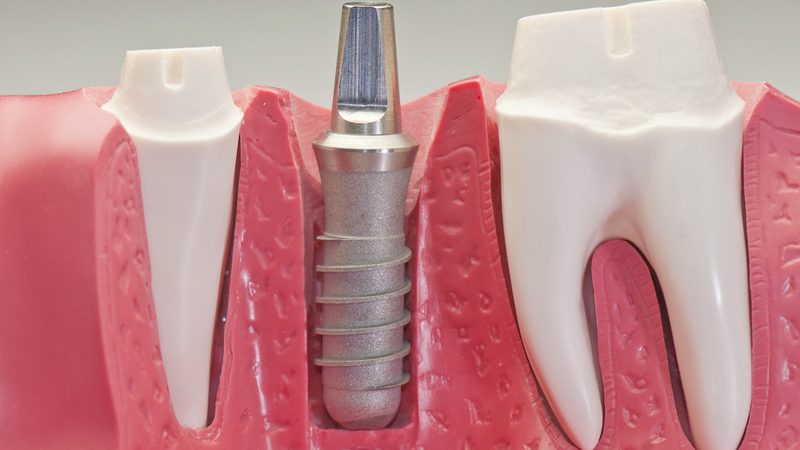
Dental Implants: The Real Timeline and How Many Trips
An implant is not a one-week treatment. The bone needs three to six months to fuse. Here is the honest schedule and what one-trip offers really mean.
Wisdom Tooth Removal: Recovery and When to Fly
The surgery takes twenty minutes. The complications peak on day three to five — which is usually the traveller's flight day. Plan the ticket accordingly.

JCI Accreditation Explained: How to Judge a Hospital Abroad
What Joint Commission International actually inspects, what the badge does not tell you, and five questions that reveal a hospital's real quality.
Have your case reviewed before you decide anything
Send your photographs and medical history. A board-certified surgeon reviews them and comes back with an honest assessment of what is achievable, which technique suits you, and an itemised written quote — before any money changes hands.
Get a FREE Second OpinionThis page provides general information about this procedure; it is not medical advice, a diagnosis, or a treatment recommendation. Capital Oncology Group is a care-coordination service and not a medical provider. All procedures are performed by independent, accredited hospitals and licensed physicians, and the decision to operate must be made by a qualified surgeon after examining you individually.