Dental Implants
An implant is not a tooth. It is a titanium screw that takes the place of a root, and the tooth you see is fitted on top of it months later. Everything that makes an implant last happens in that gap: whether there is enough bone to hold it, and whether it is given the time to fuse.
What a dental implant is
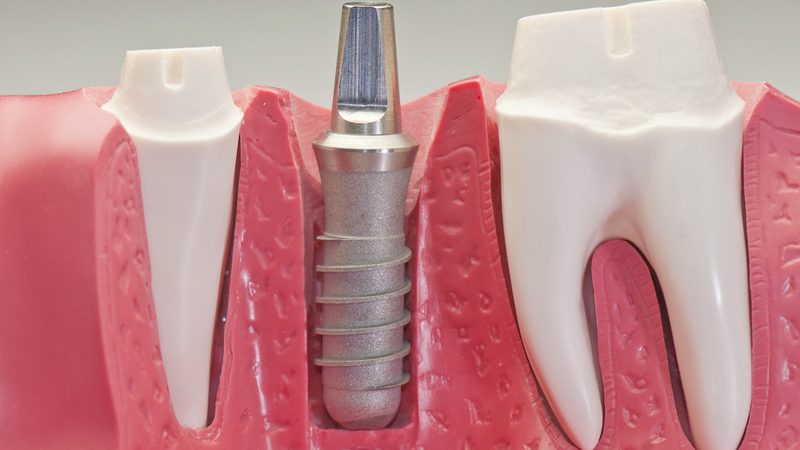
An implant has three parts: the screw that sits in bone, the abutment that passes through the gum, and the crown you chew with. They are placed in two stages because the screw must bond with living bone before it can carry load — a process called osseointegration.
Unlike a bridge, an implant does not require the teeth on either side to be ground down. That is the main clinical argument for it: it replaces one tooth without spending two healthy ones.
Who is a candidate
Eligibility is decided by bone, not by age. The CT scan shows whether there is enough height and width and how close the nerve or sinus sits. Where bone is short it can often be built up — a separate procedure with its own healing time and cost, which should appear in the quote before you travel.
- Uncontrolled diabetes and heavy smoking both lower the odds of fusion, and should be discussed honestly rather than hidden.
- Active gum disease is treated first; placing an implant into inflamed tissue is building on sand.
- Bruxism does not rule out implants but changes the plan — a night guard is part of the treatment, not an upsell.
- Recent bisphosphonate therapy must be declared; it changes how bone heals.
The options, and when each applies
Preparation
- Send a recent cone-beam CT if you have one; a panoramic X-ray alone cannot show bone width.
- List your medication, particularly blood thinners and bisphosphonates.
- Have active decay and gum disease treated before the implant date.
- Agree in writing which implant brand will be used — you may need matching parts years later.
How the procedure is performed
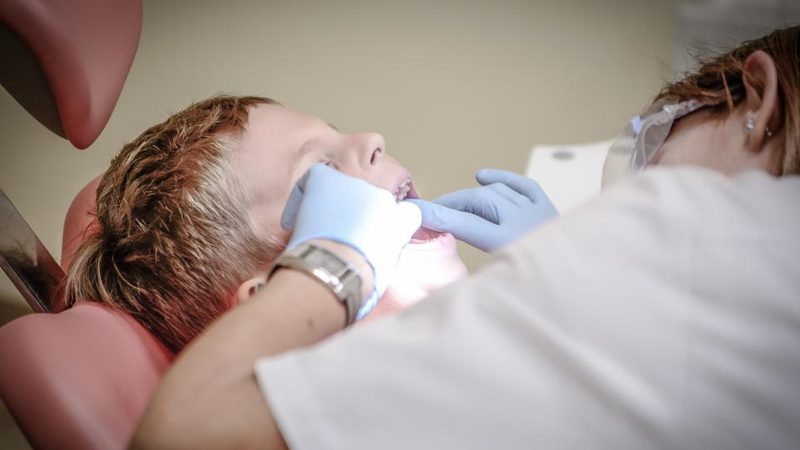
Placing a single implant takes about thirty to sixty minutes under local anaesthesia. You are awake; the sensation is pressure rather than pain. Sedation is available for anxious patients and for longer full-arch cases.
In selected cases the implant can be placed immediately after extraction, which saves a healing round. This depends on the bone and the absence of infection, and it is a judgement made at the chair, not a promise made in advance.
Anaesthesia, duration and stay
- Local anaesthesia; sedation optional for longer cases.
- First trip: three to five days, covering surgery and a review.
- Healing: three months in the lower jaw, up to six in the upper.
- Second trip: three to five days for the abutment and final crown.
Recovery timeline
Results and what living with them is like
A well-placed implant behaves like a tooth: you chew normally and you stop noticing it. Published survival is around ninety-five per cent at ten years, and the failures cluster in smokers and in people whose gum care lapses.
The crown on top is a wearing part. Over fifteen or twenty years it may need replacing even when the implant beneath is sound — which is why the brand recorded in your file matters more than it seems at the time.
Risks and complications
- Failure to integrate — the implant does not fuse and must be removed, then replaced after healing.
- Peri-implantitis: inflammation around the implant, the leading long-term cause of loss, driven by plaque.
- Nerve injury in the lower jaw, giving numbness of the lip or chin; rare, and largely avoidable with a CT scan.
- Sinus complications in the upper jaw when height is misjudged.
Cost and what should be included
Implant quotes are quoted per implant, but an implant alone does not chew. Ask for the abutment and crown to be priced in the same line, because a low implant price with a separately priced crown is the most common way a quote grows after arrival.
- Implant, abutment and final crown priced together, per tooth.
- Bone graft or sinus lift stated separately if the CT shows it is needed.
- The implant brand and its guarantee, in writing.
- The cost of the second trip, including who pays if healing runs long.
An implant fitted in a week is a temporary tooth
Immediate loading exists and is legitimate, but what goes on in that first week is a temporary crown. If a package presents it as the finished result, ask when the permanent one is fitted and who pays for the second trip.
Frequently asked questions
How long do dental implants last?
Around ninety-five per cent are still in place at ten years, and many last far longer. The screw itself rarely wears out; what ends an implant is usually inflammation of the gum and bone around it, which is preventable with cleaning and yearly checks.
Does it hurt?
The placement itself is not painful because the area is fully numb; you feel pressure and vibration. Afterwards most people describe an ache comparable to an extraction, controlled by ordinary painkillers for a day or two.
Can I have implants if I have been told I lack bone?
Usually yes, but with an extra stage. Bone can be grafted or the sinus floor raised to create the height needed, then the implant is placed either at the same time or a few months later. Ask to see the CT measurement that led to the recommendation rather than accepting the conclusion alone.
Does getting a dental implant hurt?
The procedure itself is painless under local anaesthesia and takes about thirty to sixty minutes per implant. Most people describe the sensation as pressure rather than pain. Discomfort begins as the anaesthetic wears off and peaks on day two, controlled with ordinary anti-inflammatory painkillers; by day four most patients need nothing. Placing a single implant is generally less unpleasant than having a tooth pulled.
What does recovery look like day by day?
Days one and two bring swelling and mild bleeding, managed with ice and soft food. Days three to five are the turning point: swelling peaks then falls, and most people stop painkillers. By day seven the gum has closed and stitches come out or dissolve. Chew normally on that side only after the final crown is fitted, three to six months later.
Can I get implants and my new teeth in the same trip?
You leave with temporary teeth, not permanent ones. The implant needs three to six months to fuse with the bone before it can carry a load, so the final crowns are fitted on a second trip. Some cases allow immediate loading with a temporary bridge on the same day, which looks complete but is not designed for full chewing. Budget for two visits from the start.
Will I need a bone graft or sinus lift?
You will if the bone has shrunk where the tooth was missing, which happens to most people after a year or two without a tooth. A CT scan measures the available height and width before anything is decided. Grafting adds cost and often three to six months of healing before the implant goes in, so it changes both your budget and your travel plan. Insist on seeing the scan measurements.
Who is not a good candidate for dental implants?
Heavy smokers, people with untreated gum disease and patients with poorly controlled diabetes have markedly higher failure rates. Certain bone medications taken for osteoporosis or cancer also raise the risk of the jawbone failing to heal, so bring a full list of your medicines. Age itself is not a barrier — healthy patients in their eighties do well. Being told nobody is unsuitable is a warning sign.
What is All-on-4 and who is it for?
All-on-4 replaces a full arch of teeth with a fixed bridge anchored on just four implants, two of them tilted to reach denser bone. It suits people who have lost most of their teeth or wear a loose denture, and it often avoids bone grafting. The bridge is one piece, so a problem with one section means removing the whole thing; it also needs professional cleaning underneath twice a year.
Can I fly after implant surgery?
Wait at least forty-eight hours after a straightforward implant, and three to five days if a sinus lift or extensive grafting was done. Cabin pressure changes can aggravate bleeding and sinus complications, and swelling peaks around day two, which is an uncomfortable time to travel. Carry your prescribed painkillers and antibiotics in hand luggage along with a copy of your treatment record.
Related reading
More on this treatment
Dental Implants: The Real Timeline and How Many Trips
An implant is not a one-week treatment. The bone needs three to six months to fuse. Here is the honest schedule and what one-trip offers really mean.
Wisdom Tooth Removal: Recovery and When to Fly
The surgery takes twenty minutes. The complications peak on day three to five — which is usually the traveller's flight day. Plan the ticket accordingly.
Do Dental Implants Hurt? A Day-by-Day Recovery
Placement itself is painless under local anaesthetic. The soreness peaks on day two and is usually over by day five. What each day looks like, and the signs that need a call.
Who Is All-on-4 Suitable For?
It replaces a whole arch on four implants in one day. The question worth asking first is whether the teeth being removed could have been kept.
Dental Work Abroad: Guarantee and Aftercare
Most guarantees cover the ceramic, not the tooth, and none of them cover your flight. The documents to bring home and the dentist to find before you go.

JCI Accreditation Explained: How to Judge a Hospital Abroad
What Joint Commission International actually inspects, what the badge does not tell you, and five questions that reveal a hospital's real quality.
Have your case reviewed before you decide anything
Send your photographs and medical history. A board-certified surgeon reviews them and comes back with an honest assessment of what is achievable, which technique suits you, and an itemised written quote — before any money changes hands.
Get a FREE Second OpinionThis page provides general information about this procedure; it is not medical advice, a diagnosis, or a treatment recommendation. Capital Oncology Group is a care-coordination service and not a medical provider. All procedures are performed by independent, accredited hospitals and licensed physicians, and the decision to operate must be made by a qualified surgeon after examining you individually.