Gastric Sleeve (Sleeve Gastrectomy)
A sleeve gastrectomy removes about 80% of the stomach, leaving a narrow tube. It is now the most commonly performed bariatric operation worldwide because it is technically simpler than a bypass, leaves the intestine untouched, and produces substantial, durable weight loss.
What is a gastric sleeve?
The surgeon removes the outer, expandable part of the stomach and leaves a narrow tube roughly the width of a banana. The stomach that remains holds far less food, so you feel full quickly and stay full longer.
Restriction is only part of how it works. The removed section produces most of the body's ghrelin, the hormone that drives hunger, so appetite itself typically falls sharply in the first year. That hormonal effect is why the operation outperforms dieting rather than simply enforcing it.
How it compares with a bypass
Who is a good candidate?
- BMI of 40 or above, or 35–40 with an obesity-related disease
- No significant acid reflux or hiatus hernia — the main reason to choose a bypass instead
- Very high BMI or serious heart and lung disease, where a shorter operation is safer
- Preference to keep the intestine intact, for example if future endoscopy of the bile duct is likely
- Willing to take vitamin supplements and attend follow-up for life
- No untreated eating disorder or active substance misuse
- Able to complete the pre-operative liver-shrinking diet
Preparation
- Upper endoscopy to look for reflux damage, hiatus hernia or Helicobacter infection — this can change the recommended operation
- Abdominal ultrasound for gallstones, which often become symptomatic during rapid weight loss
- Blood tests including vitamin and iron levels, thyroid function and HbA1c
- Screening for obstructive sleep apnoea, which is common and affects anaesthesia
- Cardiology and anaesthetic assessment appropriate to your BMI
- Dietitian and psychology review — both are part of proper selection, not formalities
- A two-week low-calorie liver-shrinking diet immediately before surgery
How the operation is performed
The operation is laparoscopic, through four or five incisions of about a centimetre. The surgeon frees the outer curve of the stomach, passes a calibration tube down to define the width of the sleeve, and divides the stomach along it with a stapler, removing the larger portion entirely.
The staple line is reinforced or oversewn, and a leak test is performed on the table by instilling dye or air. If a hiatus hernia is found, it is repaired at the same time — leaving it is a common cause of severe reflux afterwards.
Anaesthesia, duration and hospital stay
- Anaesthesia: general, in a hospital with intensive care available
- Operating time: 45–90 minutes
- Hospital stay: 3 nights, with a leak test and imaging before discharge
- Stay in the country: 7–10 days, so any early leak is detected while you are still here
- Walking from the evening of surgery; clot prophylaxis throughout
- Time off work: 2–3 weeks for desk work, longer for physical jobs
- No lifting over 5 kg for four weeks
The diet stages after surgery
Results and long-term outcome
Most patients lose 50–60% of their excess weight, the majority of it within the first 12 to 18 months. Type 2 diabetes improves in a large proportion and resolves in many, and sleep apnoea, blood pressure and joint pain usually improve alongside.
Some regain after two to five years is normal and expected; substantial regain usually reflects grazing, high-calorie liquids or loss of follow-up rather than a failed operation. A minority need conversion to a bypass, most often because of intractable reflux rather than weight.
Risks and complications
- Staple-line leak — the most serious early complication, typically appearing in the first week with fever, fast heart rate or shoulder-tip pain; needs immediate treatment
- Bleeding from the staple line, occasionally requiring transfusion or reoperation
- Blood clots in the legs or lungs, reduced by early walking and prophylaxis
- New or worsened acid reflux, sometimes severe enough to need conversion to a bypass
- Narrowing (stricture) of the sleeve, causing vomiting and needing endoscopic dilatation
- Nutritional deficiencies — iron, B12, vitamin D and thiamine — if supplements are not taken
- Gallstones during rapid weight loss, sometimes needing gallbladder removal
- Hair thinning, fatigue and mood changes in the first six months as intake falls
Cost and what should be included
The single biggest difference between a cheap package and a proper one is the length of hospital stay and whether the pre-operative work-up is included. A quote covering only the operation and one night is not a bariatric programme — it is an operation without the checks that make it safe.
- Named surgeon's fee and their annual bariatric case volume
- The full pre-operative work-up: endoscopy, ultrasound, bloods, sleep study, cardiology, dietitian and psychology
- Anaesthesia and the anaesthetist's fee
- Staplers and reload cartridges, by brand and number
- Three nights in hospital with a leak test and imaging before discharge
- Clot prophylaxis and post-operative medication
- The written follow-up plan: which reviews, with whom, and for how long
Know the warning signs of a leak before you fly
A staple-line leak usually appears in the first week and is treatable when caught early. Fever, a heart rate above 120, worsening abdominal or left shoulder pain, or feeling suddenly and inexplicably unwell all mean going to hospital the same hour — not waiting to see. Ask for a 24-hour contact number and a named hospital to attend if you are already home.
Frequently asked questions
Will I be able to eat normally again?
You will eat normal food, in much smaller portions, and permanently. Most patients settle into three small meals a day and find that a quarter of their old portion is enough. Fizzy drinks, large volumes of liquid with meals and very sugary foods remain uncomfortable for most people long term.
Can a sleeve be reversed?
No. The removed part of the stomach is taken out of the body and cannot be put back. It can, however, be converted to a gastric bypass if severe reflux develops or weight loss is inadequate — that is a second operation with its own risks, not an undo button.
Why is a three-night stay necessary?
Because a staple-line leak typically declares itself between day two and day five, and it is far safer to be in hospital when it does. Packages that discharge you after one night are shifting that risk onto you and your hotel room. This is the part of the quote worth paying for.
Do I still need vitamins if I keep the whole intestine?
Yes, for life. Absorption is better preserved than after a bypass, but you are eating a fraction of your previous volume and the stomach produces less acid and intrinsic factor, both of which are needed for iron and vitamin B12. Deficiency develops silently over years and is entirely preventable with supplements and annual blood tests.
What can I eat after a gastric sleeve, week by week?
The diet moves through four stages. Clear liquids for the first week, then thicker liquids and protein shakes in week two. Pureed food from week three to four, soft food in weeks five and six, and normal textures from about week seven. Move to the next stage only when the current one causes no discomfort — rushing is the most common cause of vomiting and a leak is the reason the stages exist.
How much can I eat at one meal after a sleeve?
About 100 to 150 millilitres in the first months, rising to roughly 250 to 300 by the end of the first year — a small cup rather than a plate. Eat protein first, then vegetables, then carbohydrate, because you will fill up before you reach the end. Do not drink for thirty minutes before or after eating: liquid washes food through and lets you consume far more than the stomach was meant to hold.
Will I get acid reflux after a gastric sleeve?
Reflux is the sleeve's main long-term drawback: about one patient in five develops new or worsening symptoms, and a smaller group needs conversion to a bypass because of it. If you already have significant reflux or a hiatal hernia, most surgeons will recommend a bypass instead — the sleeve tends to make existing reflux worse, not better. Say clearly at consultation whether you take antacids regularly.
How long does the operation take and how long do I stay?
The operation takes sixty to ninety minutes by keyhole surgery, with three to five small incisions. You stay two to three nights in hospital and a further four to five days nearby before flying home — around seven to ten days in total. A leak test is done before discharge. Do not book a flight earlier than day seven: leaks, when they happen, usually appear between days three and seven.
Will I lose my hair after the surgery?
Temporary shedding affects roughly a third of patients, starting around month three and settling by month six to nine. It is caused by the shock of rapid weight loss pushing hair follicles into a resting phase, not by the surgery itself, and the hair grows back. Meeting your protein target of sixty to eighty grams daily and taking iron and zinc as prescribed shortens it noticeably.
What are the risks of a gastric sleeve?
The serious one is a staple line leak, occurring in roughly one to two per cent of cases, usually between days three and seven, and requiring urgent treatment. Bleeding and clots each affect about one per cent. Overall mortality is around one in a thousand — lower than gallbladder surgery. Fever, a racing heart, worsening abdominal pain or breathlessness after discharge means going to hospital immediately, not waiting to fly home.
Can a sleeve be converted to a bypass later?
Yes, and this is one of the sleeve's advantages: it keeps the option open. Conversion is done for two reasons — severe reflux that does not respond to medication, or insufficient weight loss after two years. Around one patient in ten eventually converts. The second operation is technically more demanding and carries higher complication rates than a primary bypass, so it is not a decision to make lightly.
How soon can I exercise after a sleeve?
Walk on the evening of surgery and every few hours after that — early movement is the main protection against clots. Light cardio from week two, swimming once the wounds are fully closed at three weeks, and weight training from week six. Resistance training matters more here than cardio: it protects the muscle you would otherwise lose alongside the fat, and muscle is what keeps your metabolism up.
Related reading
More on this treatment
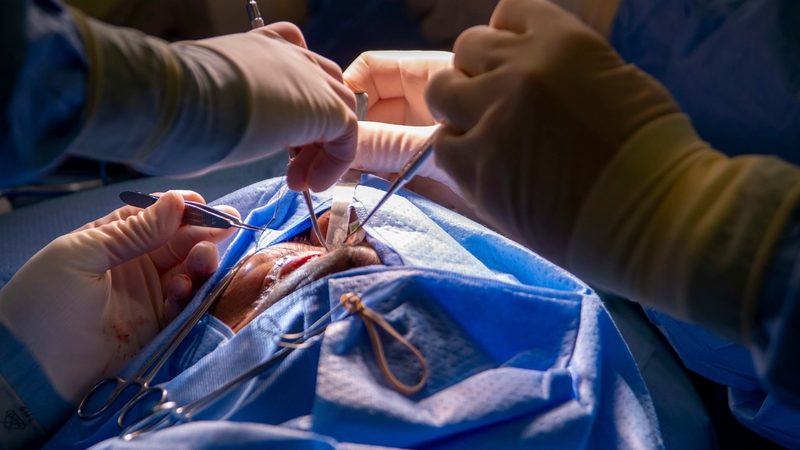
Gastric Sleeve vs Gastric Bypass: How Surgeons Choose
Reflux, diabetes, BMI and eating habits: the four factors that decide between sleeve and bypass, with honest numbers on weight loss and risks.
Life After Gastric Sleeve: The First 30 Days
The liquid-to-solid diet stages, the energy dip nobody warns about, hair, mood and the stall week: an honest 30-day map after sleeve surgery.

The Gastric Sleeve Diet: Four Stages, Then Life
Liquids, purées, soft food, solid food — then a way of eating that does not end. The timing of each stage and the rules that stay for good.

Pregnancy After Bariatric Surgery: Timing and Care
Fertility often returns within weeks, which catches people out. Why teams ask for 12–18 months, what changes in antenatal care, and the pain never to ignore.

Am I a Candidate for Bariatric Surgery? BMI and More
The 2022 criteria lowered the BMI thresholds. Where the lines sit now, what disqualifies a patient, and the questions to ask yourself first.
Have your case reviewed before you decide anything
Send your photographs and medical history. A board-certified surgeon reviews them and comes back with an honest assessment of what is achievable, which technique suits you, and an itemised written quote — before any money changes hands.
Get a FREE Second OpinionThis page provides general information about this procedure; it is not medical advice, a diagnosis, or a treatment recommendation. Capital Oncology Group is a care-coordination service and not a medical provider. All procedures are performed by independent, accredited hospitals and licensed physicians, and the decision to operate must be made by a qualified surgeon after examining you individually.