Rhinoplasty
Rhinoplasty reshapes the bone and cartilage of the nose, and in the same operation can correct the breathing problems that often accompany a deviated structure. It is among the most technically demanding operations in plastic surgery — which is why the surgeon's specific experience matters more here than almost anywhere else.
What is rhinoplasty?
Rhinoplasty is surgery to change the shape, size or angle of the nose by reshaping the bone at the top, the cartilage in the middle and lower third, and the soft tissue that covers them. Because the nose sits at the centre of the face, small changes read as large ones — a millimetre matters here in a way it does not elsewhere.
When the operation also straightens the septum — the wall dividing the two nasal passages — it is called a septorhinoplasty. This is common: a nose that looks crooked from the outside is frequently crooked on the inside too, and correcting only the appearance would leave the breathing problem in place.
Techniques: open, closed and preservation
There is no universally superior technique. The right one depends on what needs changing and on which approach your surgeon performs most often.
Who is a good candidate?
- Facial growth is complete — around 16 for girls and 17–18 for boys
- You are in good general health, and any chronic condition is well controlled
- You do not smoke, or can stop for at least four weeks before and after
- You have a specific, describable concern rather than a general dissatisfaction
- Your expectations are of an improved version of your own nose, not someone else's
- You can stay in the country for about a week after surgery
- If you have had previous nasal surgery, you accept that revision is a harder operation
Preparation and pre-operative work-up
- Photographic analysis from standard angles, often with computer simulation to agree on goals
- Examination of the inside of the nose, and a CT scan if the septum or sinuses are involved
- Blood tests, ECG and an anaesthetic review
- Stopping aspirin, anti-inflammatories, fish oil and vitamin E about ten days before
- Stopping smoking and nicotine products at least four weeks before — this affects healing directly
- Arranging a companion for the first 24 hours after discharge
How the operation is performed
After general anaesthesia, the surgeon lifts the skin off the underlying framework through the chosen incisions. A hump is reduced or the dorsum lowered; the bones are narrowed with controlled cuts (osteotomies); the tip cartilages are trimmed, repositioned and sutured; and cartilage grafts — usually from the septum, sometimes from the ear or a rib — are added where structural support or symmetry is needed.
If the septum is deviated it is straightened in the same operation. At the end an external splint is taped over the bridge, and soft internal splints or dissolvable packing may be placed for a few days. Rigid packing that has to be pulled out is largely a thing of the past.
Anaesthesia, duration and hospital stay
- Anaesthesia: general, administered by a consultant anaesthetist
- Operating time: about 2–3 hours for a primary rhinoplasty; 3–5 hours for a revision or when rib cartilage is used
- Hospital stay: one night is usual; some primary cases are same-day discharge
- Stay in the country: 6–8 days, so the splint can be removed before you fly
- Time off work: 7–10 days for desk work; 3–4 weeks before anything strenuous
Recovery, week by week
Results and how long they last
The structural change is permanent. Once bone and cartilage have healed in their new position they stay there; the nose then ages as the rest of the face does, with gradual softening of the tip over decades.
Published revision rates for primary rhinoplasty sit at roughly 5–15% depending on the series and how revision is defined. That is normal for this operation, not a sign of poor surgery — and it is a question you should ask your surgeon directly rather than a reason to avoid the procedure.
Risks and complications
Rhinoplasty is generally safe, but it is surgery under general anaesthesia and carries real risks that should be explained to you before, not after:
- Bleeding, infection and reaction to anaesthesia — uncommon but possible in any operation
- Persistent swelling or asymmetry, particularly at the tip
- Nasal obstruction that is unchanged or, rarely, worse
- Numbness of the tip, usually temporary but occasionally lasting
- Visible irregularity of the bridge as swelling resolves
- Septal perforation — rare, and more likely after previous septal surgery
- Need for a revision procedure after twelve months
Cost and what should be included
Price varies with the surgeon's experience, whether the case is primary or revision, whether rib cartilage is needed, and the hospital. A revision using rib cartilage is a substantially longer and more expensive operation than a straightforward primary case — quotes that ignore that distinction are not describing your operation.
Ask for the quote in writing, itemised, and confirm each of the following is inside it:
- Surgeon's fee, named — not a clinic package with an unnamed operator
- Anaesthesia and the anaesthetist's fee
- Operating theatre and the overnight hospital stay
- Pre-operative blood tests, ECG and imaging
- Splints, dressings and post-operative medication
- All follow-up visits during your stay, including splint removal
- The written revision policy: what is covered, for how long, and what you would still pay
Judge the surgeon by their revisions, not their best photographs
Any surgeon can show you their best result. Ask instead how many rhinoplasties they perform each year, what proportion need revision, and to see cases with a starting point like yours — thick skin, a previous operation, a marked deviation. We ask these questions on your behalf before recommending anyone.
Frequently asked questions
How long before I look normal in photographs?
Most people are comfortable in photographs about two to three weeks after surgery, once the splint is off and bruising has faded. The nose will still be swollen at that point — refinement continues for a year, and the tip is the slowest part. If you have an event, plan for at least three months, and preferably six.
Will rhinoplasty fix my breathing?
Only if the operation addresses the cause. Purely cosmetic reduction can even narrow the airway if the internal valve is not supported. If you have obstruction, say so at the consultation: the surgeon should examine the septum and turbinates and plan a septorhinoplasty with structural grafts rather than reduction alone.
Open or closed — which should I choose?
This is the surgeon's decision, not the patient's. Both give excellent results in the right hands and for the right anatomy; the columellar scar of an open approach is a few millimetres and rarely an issue. A surgeon who performs one approach almost exclusively and does it very well is a safer choice than one who switches to match a patient's preference.
When can I fly home?
After the splint is removed and the surgeon has checked the wound — typically day seven or eight. Cabin pressure is not itself dangerous, but flying before that check means nobody has looked at your nose at the point when early problems appear. Book a flexible return ticket rather than a fixed one.
Can I see a simulation of the result?
Yes, and it is a useful tool for agreeing on direction — but it is a drawing, not a promise. Simulations cannot model how your skin thickness, cartilage strength and healing will behave. A surgeon who presents a simulation as a guaranteed outcome is overselling; one who uses it to show what is and is not achievable is using it properly.
How long does swelling last after rhinoplasty?
Most visible swelling goes in the first three weeks, but the nose keeps changing for a full year. Roughly: eighty per cent settles by month three, ninety by month six, and the final refinement of the tip appears between months nine and eighteen. The tip is always last because its skin is thickest. Judge your result at one year, not at one month, and avoid photographs you will regret in week two.
Does rhinoplasty hurt, and will I have packing in my nose?
Rhinoplasty is far less painful than most people expect — the main complaint is blocked breathing, not pain. The old cotton packing that hurt on removal has largely been replaced by soft silicone splints with breathing tubes, taken out at day five to seven with little discomfort. Ask specifically which type your surgeon uses. Simple painkillers are usually enough after the first forty-eight hours.
Open or closed rhinoplasty — which is better?
Neither is better in general; they suit different noses. Open technique makes a small incision across the columella between the nostrils, giving direct view for complex tip work, revisions and crooked noses. Closed technique works entirely inside and leaves no external scar, suiting smaller changes such as a hump. The columellar scar fades to near invisibility in most people within a year, so it should not drive the decision.
Will rhinoplasty improve my breathing?
Only if the breathing problem is addressed as part of the operation. A deviated septum or enlarged turbinates need septoplasty or turbinate reduction done at the same time — a purely cosmetic rhinoplasty can even narrow the airway if the internal valve is not supported. Say clearly at consultation that you have breathing difficulty and ask which specific procedure will treat it, by name, in your operative plan.
When can I wear glasses again after rhinoplasty?
Keep weight off the bridge for four to six weeks if the nasal bones were reshaped. Glasses resting on healing bone can leave a permanent dent or shift the bones out of position. Use contact lenses if you can, or tape the frames to your forehead so nothing touches the nose. Sunglasses follow the same rule; lightweight frames do not make an exception.
Will there be a visible scar?
Closed rhinoplasty leaves no external scar at all. Open technique leaves a line about four millimetres long across the columella, which is red for six to eight weeks and then fades to a fine pale line most people cannot see in conversation. If the nostrils are narrowed, small scars sit in the natural crease at the base of each nostril. Sun protection for six months keeps them pale.
How often does rhinoplasty need to be redone?
Revision rates run between five and fifteen per cent even in experienced hands, and this is normal rather than a sign of failure. Most revisions are small: a residual bump, slight asymmetry or a tip that settled differently than planned. Wait a full twelve months before deciding, because the nose is still changing. Ask your surgeon before booking what their revision policy covers and for how long.
When will my nose look normal enough to go out?
The cast comes off on day seven, and most people are comfortable in public from day ten to fourteen. Bruising around the eyes is at its worst on day two or three and largely gone by day ten; it can be covered with concealer once the cast is off. The nose will still look slightly wide and the tip firm for several months — normal to others, but noticeable to you.
Related reading
More on this treatment
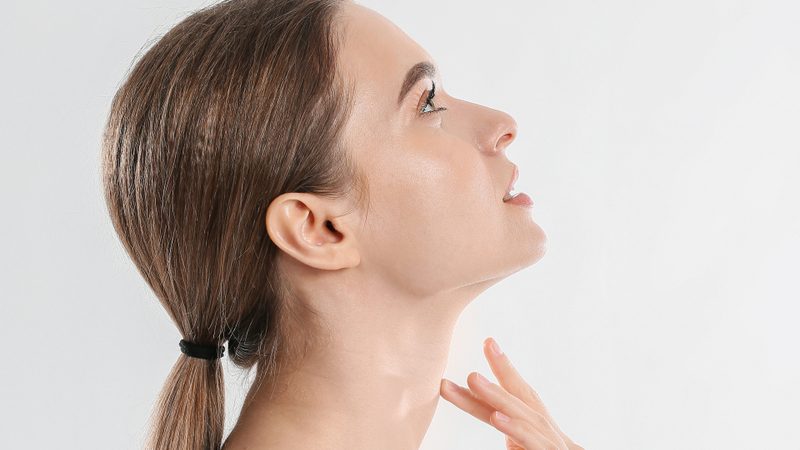
Rhinoplasty Recovery: Week by Week — What's Normal
A realistic rhinoplasty recovery timeline: splint removal, bruising, when swelling really goes, and flying home after surgery abroad.
Rhinoplasty Abroad: Cost, Safety and 8 Questions to Ask
Why rhinoplasty costs less abroad without being worse, what a package really includes, and the eight questions that expose a risky clinic.

How Long Does Rhinoplasty Swelling Last?
Eighty per cent of the swelling is gone by month two; the last twenty per cent takes a year, and the tip is always last. A month-by-month calendar.

JCI Accreditation Explained: How to Judge a Hospital Abroad
What Joint Commission International actually inspects, what the badge does not tell you, and five questions that reveal a hospital's real quality.
Have your case reviewed before you decide anything
Send photographs from the standard angles and tell us what bothers you. A board-certified plastic surgeon reviews them and comes back with an honest assessment of what is achievable, which technique suits your anatomy, and an itemised written quote.
Get a FREE Second OpinionThis page provides general information about rhinoplasty; it is not medical advice, a diagnosis, or a treatment recommendation. Capital Oncology Group is a care-coordination service and not a medical provider. All procedures are performed by independent, accredited hospitals and licensed physicians, and the decision to operate must be made by a qualified surgeon after examining you individually.